

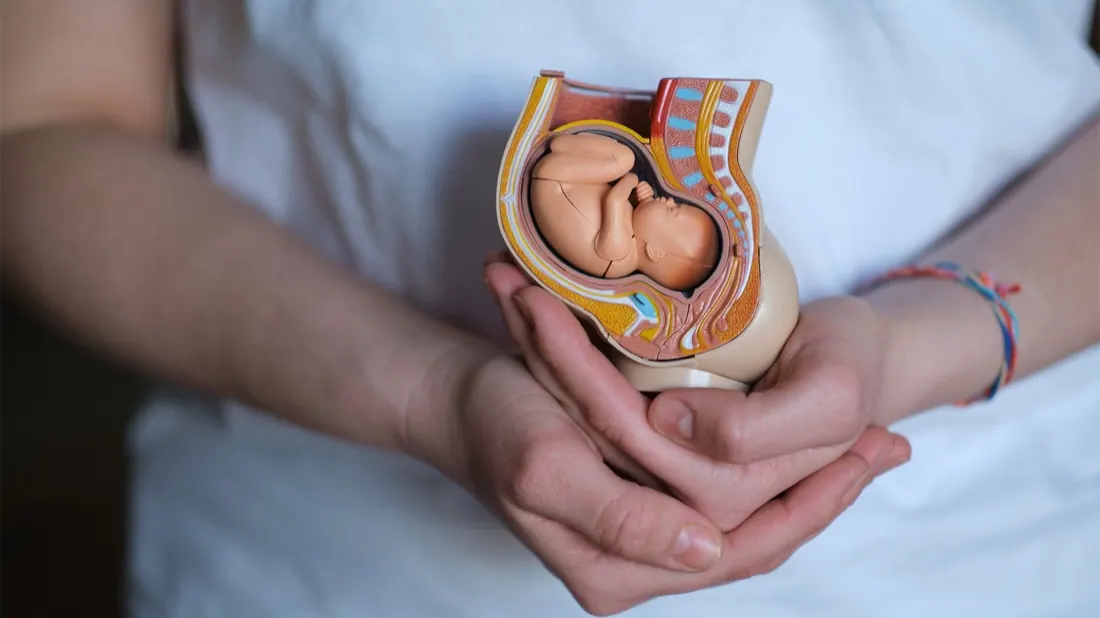
In vitro fertilization (IVF) treatment is one of the assisted reproductive techniques used for couples who cannot conceive naturally. In this method, the egg and sperm are brought together in a laboratory environment, and after fertilization occurs, the resulting embryo is transferred to the uterus of the prospective mother.
Thanks to advances in technology and specialist physicians, IVF treatment has become a promising and safe option for many couples today.
Who is IVF Treatment Suitable For?
IVF treatment is generally recommended in the following cases:
- Blocked or damaged fallopian tubes in women
- Low sperm count or motility in men
- Unexplained infertility
- Advanced maternal age
- Ovulation problems (e.g., polycystic ovary syndrome)
- Endometriosis
- Previous failure of methods such as insemination
Suitability for treatment is determined by the doctor after examination and testing.
What Factors Affect Success Rates?
IVF success rates vary from person to person. Influencing factors include:
- Maternal age
- Egg and sperm quality
- Uterine structure
- Embryo quality
- Lifestyle (smoking, stress, nutrition, etc.)
This article is general information, not a diagnosis or treatment recommendation. Consult a physician for a personal assessment.